Buildability
Review material choices, part geometry, joinery, tolerances, assembly access, and likely fabrication constraints.
FOR DESIGNERS WITH IDEAS IN PROGRESS
A rough sketch, a Rhino model, or an architectural detail can hold a strong idea without yet answering every fabrication question. I review and develop the drawings so the design intent survives the move toward making.
Talk through your drawings ↗Remote-friendly · Scope and fee confirmed before work starts
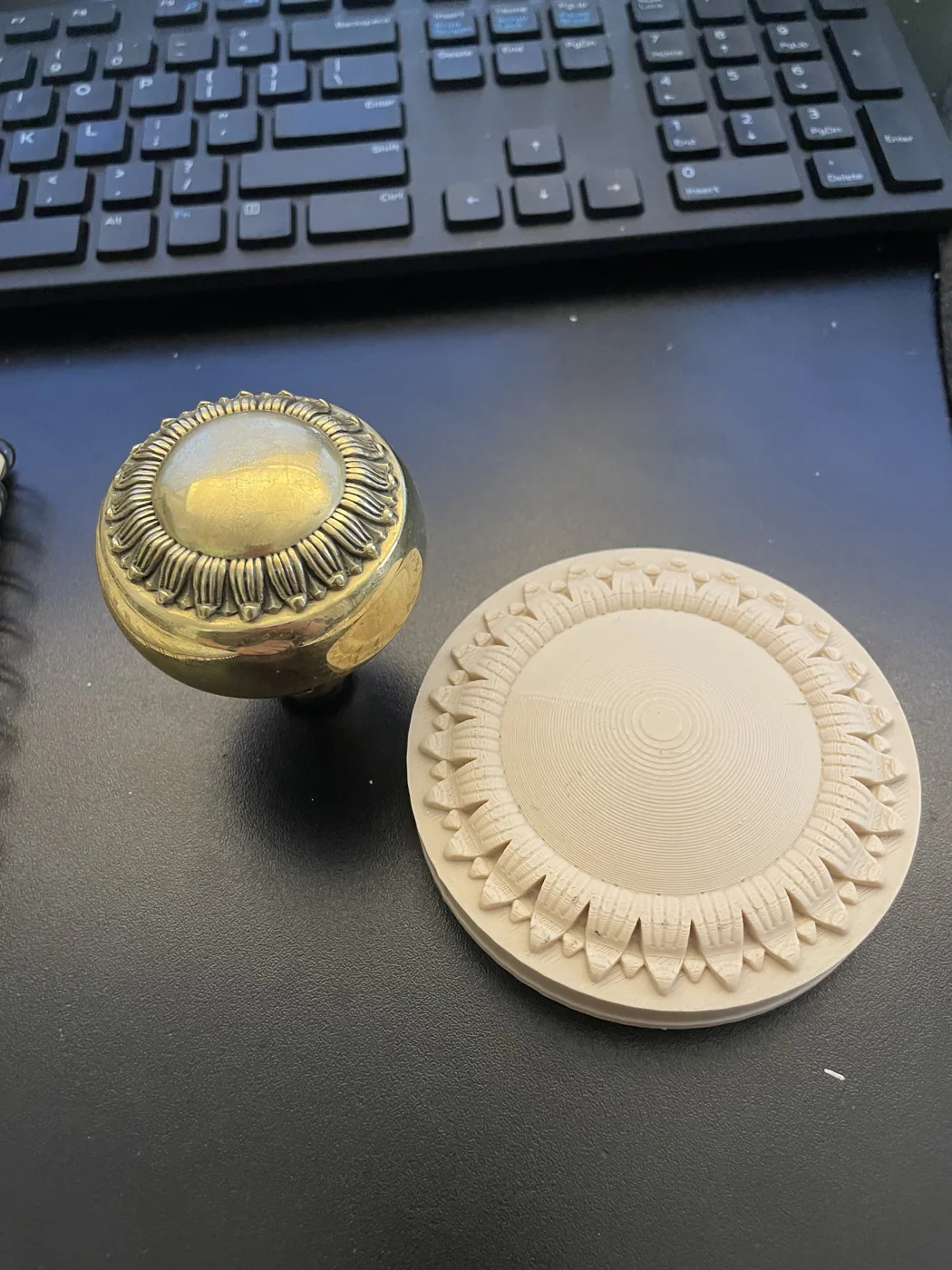
FROM PROTOTYPE TO OBJECT
A completed brass knob from the same ornamental hardware study, photographed close enough to see the circular face and decorative edge.
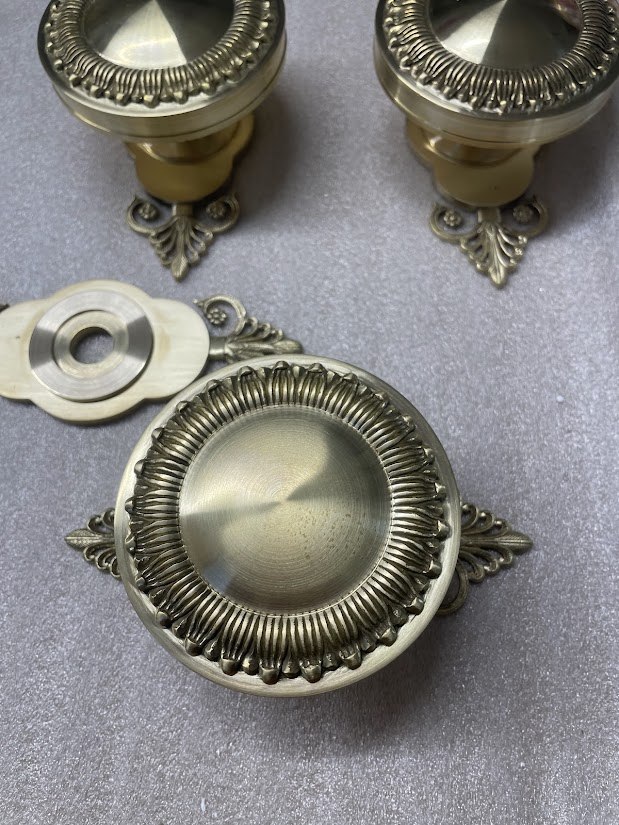
DESIGN MEETS MAKING
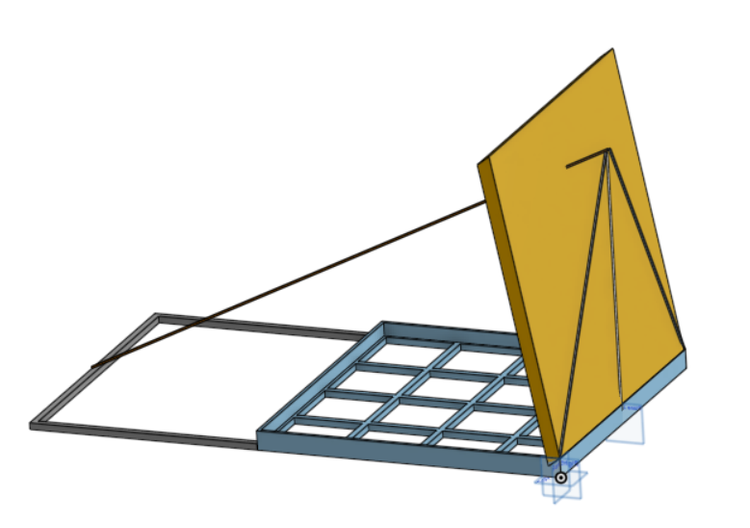
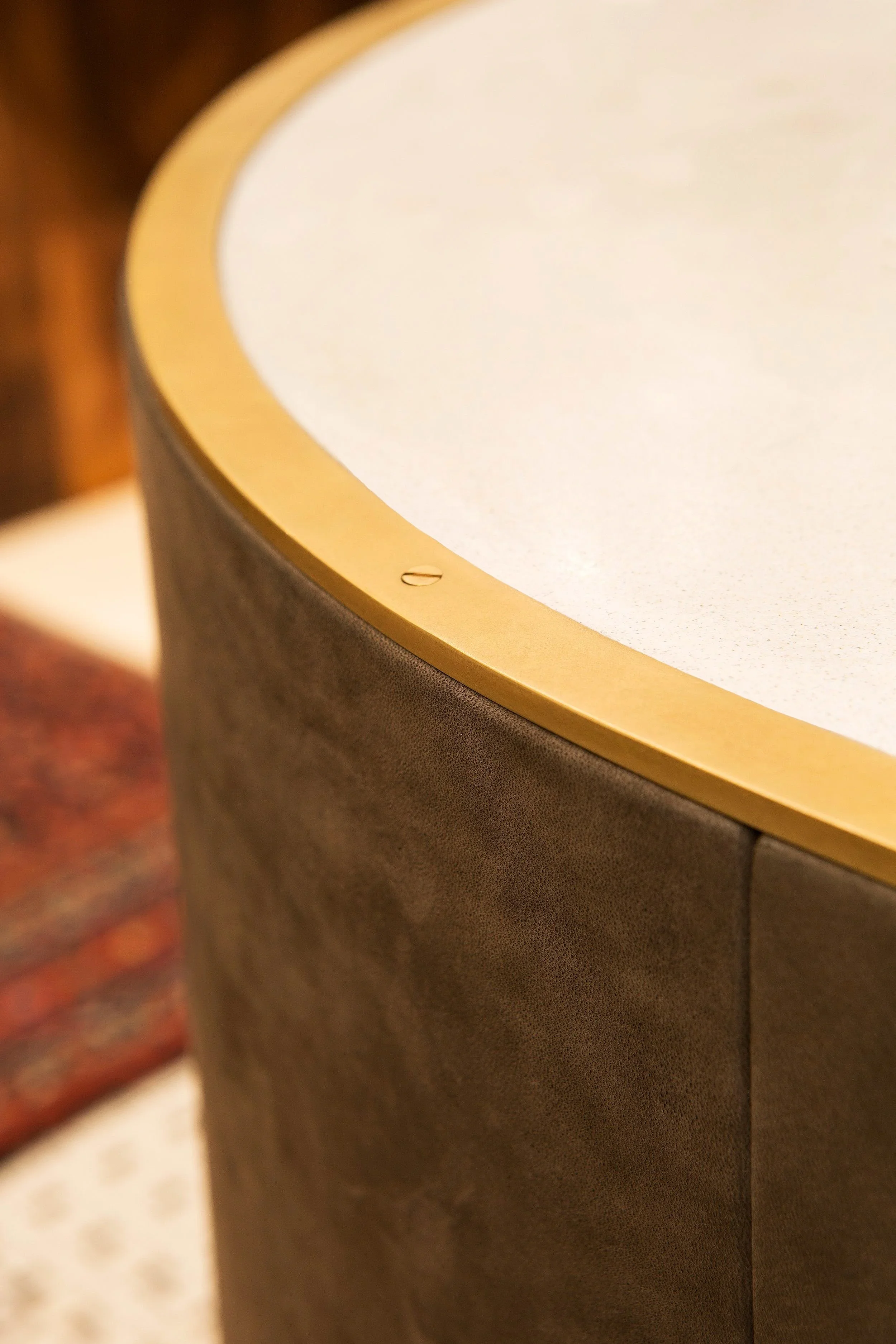
Selected views from separate design, fabrication, and built work—not a single before-and-after sequence.
01 / DESIGN FOR MANUFACTURING
Review material choices, part geometry, joinery, tolerances, assembly access, and likely fabrication constraints.
Develop dimensions, views, callouts, and notes so a fabricator can understand the intent and spot open decisions.
Get markups and an issue list—or, when editable files and scope allow, revised CAD and shop drawings for the next handoff.
02 / START WHERE YOU ARE
Useful starting points include hand sketches, Rhino models or exports, CAD files, PDFs, and architectural drawings or details for custom objects, interiors, displays, or installations.
READY FOR A SECOND SET OF EYES?
Tell me what you’re making, what format you have now, and what the fabricator needs next. Don’t send confidential files until we agree on a sharing method.
Email [email protected] ↗Design-for-manufacturing and architectural-detail review do not replace a licensed architect or engineer, code review, permit documents, or stamped drawings.